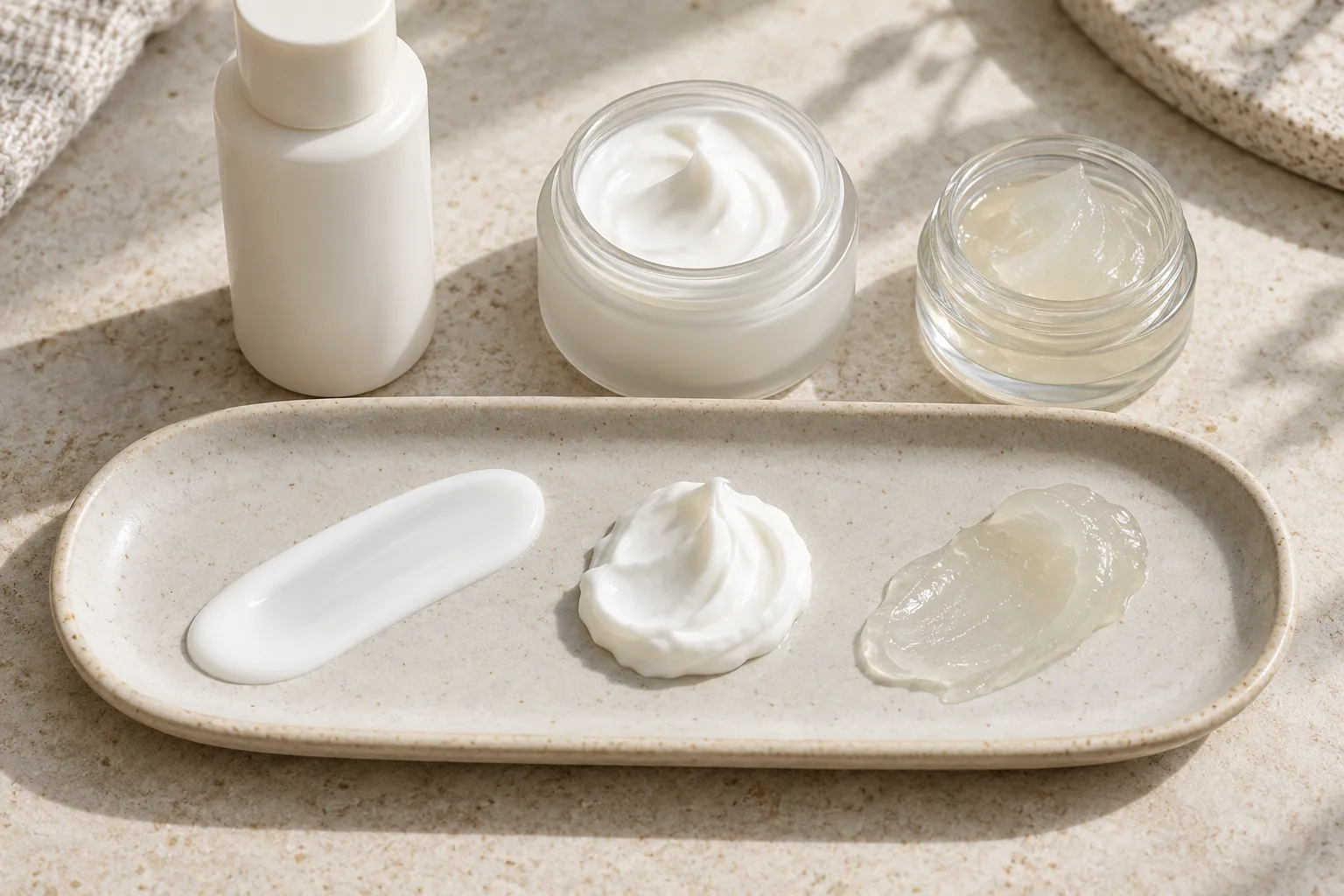
Choose for today's dryness, location, weather, and routine—not for a skin-type label you expect to keep forever. Start with the lightest texture that keeps the target area comfortable through the relevant part of your day. Move richer if tightness, roughness, or flaking continues; move lighter or use less where the product feels persistently greasy or seems to contribute to clogged pores.
That answer may produce two products: a lighter face lotion and a richer hand cream, or a gel for the center of the face and cream on dry cheeks. A moisturizer does not have to win a lifetime contract or cover every square inch in the same amount.
Take a ninety-second current-state inventory
Look at the area before you shop.
- Sensation: Does it feel comfortable, tight, itchy, hot, or painful?
- Visible surface: Is there flaking, roughness, cracking, redness, or only a preference for a softer finish?
- Location: Face, eyelids, hands, legs, and lips face different washing, friction, and exposure.
- Environment: Cold air, low humidity, indoor heating, air conditioning, swimming, and frequent handwashing can shift needs.
- Routine change: A new acne treatment, retinoid, exfoliant, cleanser, or prescription can make yesterday's moisturizer feel insufficient.
This inventory separates a moisturizer choice from a diagnosis. Persistent itch, a rash, fissures, or pain may need medical assessment rather than another jar.
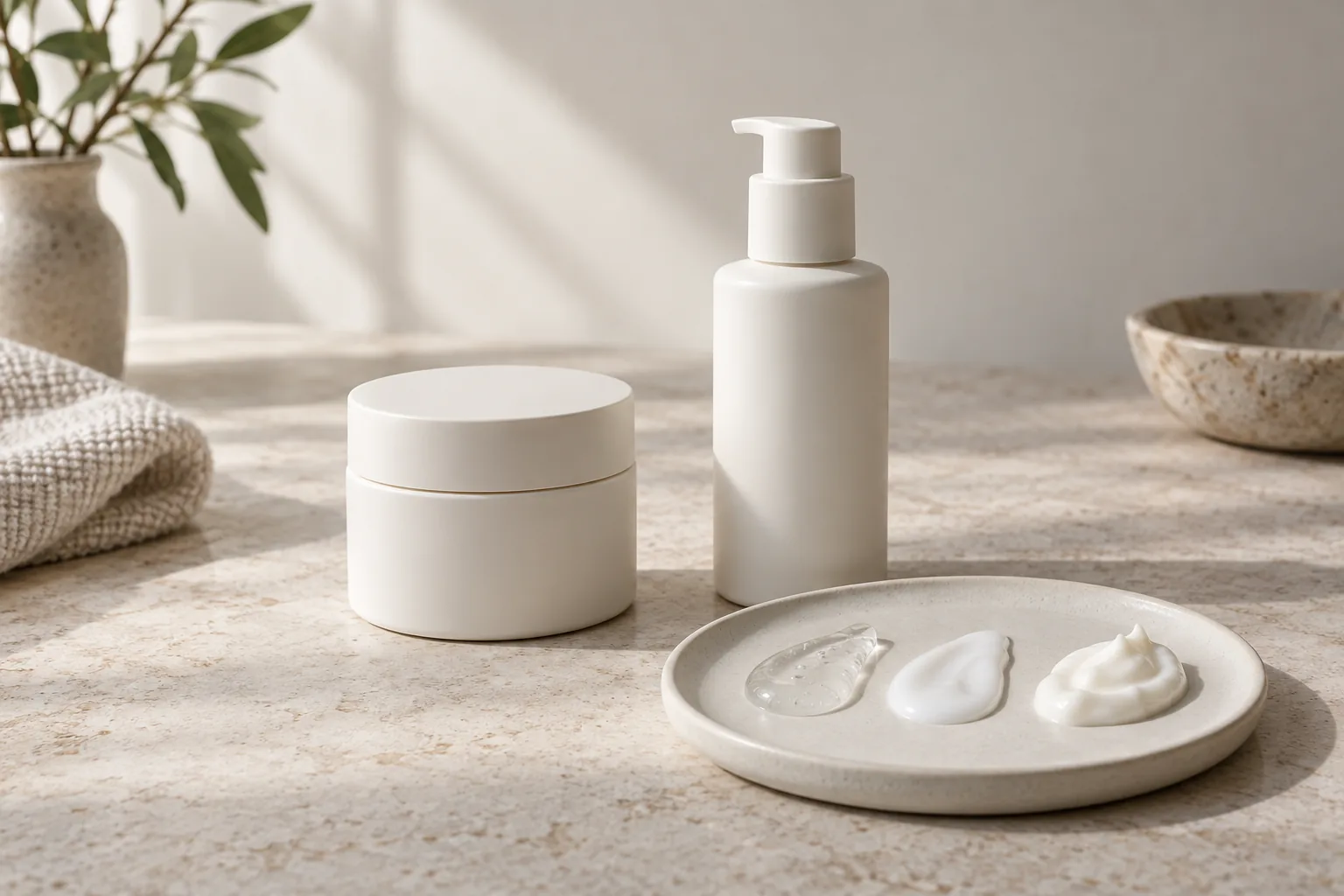
Use the texture ladder as a starting map
Product names are not perfectly standardized, but they offer a practical first filter.
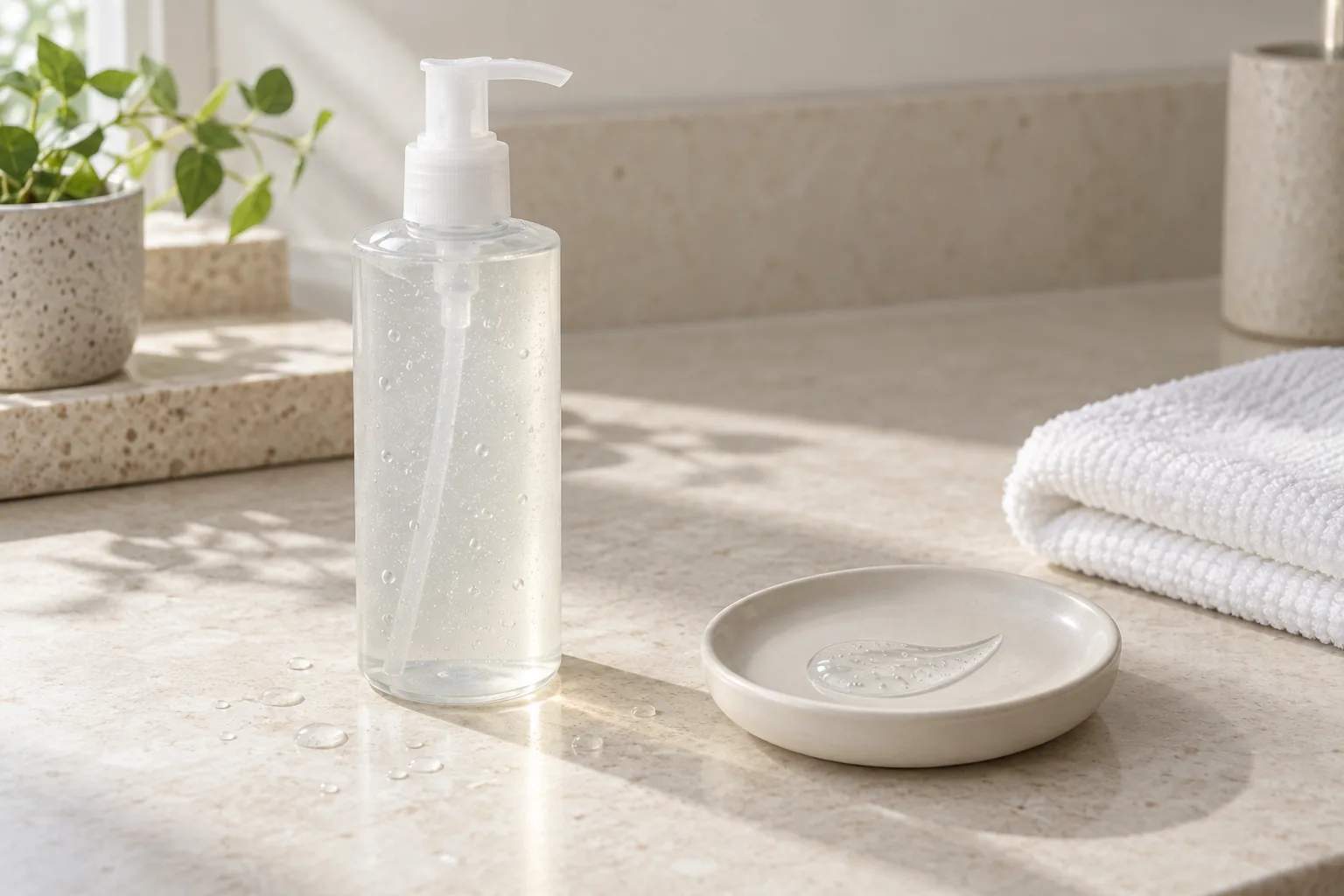
Gel: light feel and quick spread
Gels often feel light and can suit someone who wants hydration without much surface richness. They may work well in warm weather or on an oilier facial zone. A gel is not automatically “just water,” and a clear texture does not prove that it is fragrance-free or non-irritating. Read the complete ingredient list and judge the finished product.
Lotion: broad, everyday coverage
Lotions spread easily over the face or body and tend to sit between gels and creams. They are a useful starting point for mild dryness, daytime use, or larger areas where a dense product would be inconvenient. If comfort fades quickly, the answer may be a richer product or a targeted layer—not simply more pumps every hour.
Cream: more support for persistent dryness
Creams are generally thicker and can be more hydrating than lotions. They often fit dry cheeks, cold-weather routines, or skin made dry by an active treatment. A richer texture can still be cosmetically elegant; “cream” does not tell you whether a specific product will pill, sting, or work under sunscreen.
Ointment: maximum occlusion for selected areas
Ointments are the most occlusive end of the ladder and can reduce water loss from very dry areas. They are especially practical for hands, lips, or small rough patches. That does not mean everyone needs an ointment over the entire face. On acne-prone areas, a heavy finish may be unpleasant or may not fit the rest of the routine. Use the texture where its job is clear.
Shop for formula jobs, not a hero ingredient
Moisturizers often combine three kinds of work.
Humectants attract and hold water in the outer skin. Glycerin and hyaluronic acid are familiar examples, but seeing one on the label does not tell you the amount or the total performance of the formula.
Emollients fill spaces between surface cells and make rough skin feel smoother. Many oils, esters, and lipids can play this role.
Occlusives form a surface layer that slows water loss. Petrolatum is a strong example, but silicones, waxes, and other ingredients can contribute.
A well-designed product may use all three. The useful question is not “Does it contain the trending ingredient?” but “Does this finished formula keep this area comfortable without creating a new problem?” Ingredient-list position alone cannot calculate the result.
Claims such as “for sensitive skin” or “noncomedogenic” can help you shortlist, but they do not guarantee zero irritation or zero clogged pores for every user. If you have known allergies, review the exact ingredient list. If fragrance has caused problems before, a fragrance-free option may be a sensible screen, while remembering that any ingredient can be relevant to an individual reaction.
Split the job by zone and time
Instead of searching for one perfect moisturizer, assign coverage.
- Use a light layer over the whole face, then add cream only to dry cheeks or around the mouth.
- Use a lotion during humid months and keep a cream for cold or windy weeks.
- Apply body moisturizer after bathing, when skin is still slightly damp, to help retain water.
- Keep a richer hand product near the sink if repeated washing is the main source of dryness.
- If a prescription or OTC drug label gives instructions about moisturizer timing, let those directions own the schedule.
This approach also makes reactions easier to interpret. Starting a new cleanser, moisturizer, exfoliant, and sunscreen together leaves four suspects when skin stings.
Run a practical fit check
For an ordinary cosmetic moisturizer, change only that product and observe a full stretch of your usual conditions. Ask:
- Does the target area stay comfortable until the next normal application?
- Does the product spread without requiring hard rubbing?
- Does it sit acceptably under sunscreen or makeup if that matters?
- Does it cause repeated stinging, itch, rash, or a pattern of new clogged bumps?
- Are you using so much to compensate that a richer texture would be simpler?
Do not treat burning as an adjustment phase. Stop and reassess if symptoms persist. Seek care for swelling, hives, blistering, painful cracks, bleeding, signs of infection, or a rash that does not settle after removing the suspect product. The AAD also advises dermatologic evaluation when dry skin remains painful or difficult to control.
Moisturizer choice gets easier when it is allowed to be temporary and local. Meet the skin in front of you, use the least cumbersome texture that completes the job, and change the answer when the weather, treatment, or body area changes.
Common questions
Questions readers often ask
What should I know about take a ninety-second current-state inventory?
Look at the area before you shop.
What should I know about use the texture ladder as a starting map?
Product names are not perfectly standardized, but they offer a practical first filter.
Sources